Home Blog Page 5

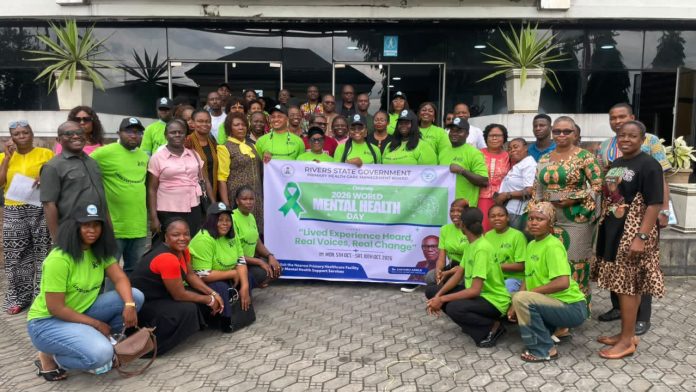
2026 WMH Day: Rivers State PHC Management Board Cautions Against Stigmatization

0

By Ferdinand Olise

The Director, Medical Services, Rivers State Primary Health Care Management Board, Dr Tonye Lawson Jack, has highlighted the critical role Primary Health Care facilities play in promoting mental wellbeing.

Speaking in Port Harcourt, Rivers State at the World Mental Health Day 2026, Dr Jack, who was represented by Dr. Pelle Aberetto, said the role includes identifying mental health concerns early, providing appropriate psychosocial support, reducing stigma, making timely referrals and ensuring continuity of care.

According to Dr. Jack, they must work towards a health system that ensures adequate care for emotional distress, anxiety, depression, psychological trauma, or any other mental health concern.

“This year’s theme, “Lived Experiences Heard: Real Voices, Real Change,” carries a powerful message. It reminds us that mental health is not merely a subject for policies, statistics, conferences and clinical discussions. Behind
every mental health challenge is a human being with a story, a family, a dream, a struggle and a voice that deserves to be heard”, he said.

Dr Jack further explained that many people experiencing mental health challenges have suffered silently due to stigma, discrimination, misunderstanding and fear of being judged.

He therefore emphasised the importance of listening, supporting and showing care and concern to individuals going through mental health issues.

“Today, we are reminded that listening is not simply an act of kindness; it is an essential component of effective health care.
When we listen to people with lived experience, we understand their challenges better: We identify barriers that may not be visible in our health facilities. We learn what works and what does not. Most importantly, we can design services that respond to the real needs of individuals, families and communities.

“As the Rivers State Primary Health Care Management Board, we recognise that
mental health cannot be separated from the broader health of our population.
Mental health intersects with maternal and child health, adolescent health, chronic diseases, substance use, gender-based violence, disability, infectious diseases, emergencies, family relationships and social wellbeing”, he said.

He therefore encouraged health workers to approach mental health with the samne seriousness, compassion and professionalism that they give to other areas of health care, emphasising on creating safe spaces where people can speak without fear of ridicule or
discrimination.

“Let us encourage individuals to seek help early.
Let us support families who care for persons experiencing mental health challenges. Let us challenge harmful myths and misconceptions.
Let us reject stigma, and let us ensure that mental health services become increasingly accessible through our primary health-care system”, he said.

He also called on communities, religious, traditional institutions, schools, civil society organisations and the media to become active partners in promoting mental wellbeing, adding that Mental health is everyone’s responsibility.

Speaking on “lived experience heard,
Subtittle : Power of lived experience”, the
Head of Mental health Desk, Nurse Ajoku Glory,
described mental health as a complete social, psychological and emotional state of every individual and not only absent of madness.

She warned that stigma can cause people to hide their experiences, or avoid seeking help, stressing that when people with lived experience are given safe opportunities to speak, they can challenge misconceptions such as the belief that mental health conditions are a sign of weakness, or that people experiencing them cannot contribute meaningfully to society.

She described “Lived experience” as the knowledge gained by a person through their own experience of a mental health condition, emotional distress, recovery, treatment, discrimination, caregiving, or supporting someone experiencing mental health challenges.

Nurse Glory further emphasised the need to create communities where seeking mental health support is seen as an appropriate step toward wellbeing, not something to be ashamed of.

“The person with lived experience should not be viewed only as a recipient of care. Their voice can also be a partner in improving mental health services and strengthening our communities”, she added.

Also, speaking of showing care to persons struggling with mental health issues, staying with them to ensure they are stable, Nurse Joy Olise, said mental health care service has been integrated into Primary Health Care which enables the public to assess mental health services through the Primary Health Care.

Nurse Olise therefore urged the public to show love, care and support to persons struggling with mental health issues, and not to judge them.

“They might be passing through depression and they will not tell you. They might be having anger issues. They might be having anxiety attacks, panic attacks. All you need to do is to listen to them. Don’t be judgmental”, she said.

The World Mental Health Day 2026 with the theme, “Lived Experiences Heard: Real Voices, Real Change” was set by the World Federation for Mental Health and supported by the World Health Organization.
This day provides the opportunity to elevate the voices of people with lived experience of mental health conditions to shape policies, dismantle stigma, and shift away from institutionalization toward community-centered care.

Reps Summon FCT Council Chairmen, Finance Directors Over N100bn Audit Infractions

0

By Ferdinand Olise

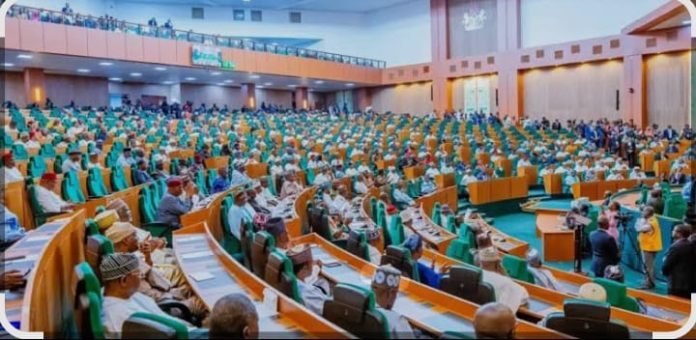
The House of Representatives Public Accounts Committee has issued a seven-day final summons to the Directors of Personnel Management and Finance, and Heads of Audit of the Federal Capital Territory Six Area Councils, directing them to appear before the Committee on October 14, 2026, or face sanctions in accordance with the relevant service rules.

This follows the failure of the six Area Council Chairmen to appear before the Committee to answer questions over alleged financial infractions contained in audit reports involving about one hundred billion Naira.

According to the Committee chaired by Representative Bamidele Salam, the Chairmen had requested September 22, 2026, as the date for their appearance before the Committee, but failed to attend or send representatives.

The audit queries are contained in the Annual Audit Report of the Auditor-General for the Six FCT Area Councils for the year ended Dec. 31, 2021.

The affected councils are Abaji, Abuja Municipal Area Council (AMAC), Bwari, Gwagwalada, Kuje and Kwali.

According to the report, the six councils had outstanding liabilities of about N7.65 billion arising from unremitted pension deductions, Pay As You Earn (PAYE), Value Added Tax (VAT) and withholding tax, as well as unpaid obligations to contractors.

A breakdown showed that AMAC accounted for the highest outstanding liability of N2.19 billion, followed by Bwari with N1.49 billion and Kwali with N1.46 billion.

Gwagwalada had N1.01 billion in outstanding liabilities, Kuje N892.2 million and Abaji N593.8 million.

The report said the liabilities were due for remittance to the Nigeria Revenue Service, FCT Inland Revenue Service, Pension Fund Administrators and contractors.

It stated: “The Auditor General for the Six Area Council reported in annual report of the year 2021 that the Six Area Councils had outstanding liabilities of N7.6bn as at December 31, 2021 comprising unremitted pension deduction, unremitted Pay as You Earn (PAYE), unpaid capital projects, unpaid value added tax and withholding tax.”

The Auditor-General also faulted the councils over the management of their fixed assets, noting that asset registers were not properly maintained and updated.

Gwagwalada Area Council was specifically cited over non-current assets valued at N336 million, which the report said were not properly recorded and updated.

The report stated: “The Auditor General for the Six Area Council reported that the value of non-current asset of Gwagwalada Area Council stood at N336m. However, the Auditor General observed that the ledger records of the non-current assets were not properly maintained and updated as at when due which could give room for loss of asset without being traced. This exception is common among other FCT Area Councils.”

The committee is also seeking explanations and supporting documents on N24.87 billion expended by the six councils on personnel, overheads and capital expenditure in 2021.

The breakdown showed that AMAC spent N5.03 billion, Gwagwalada N4.66 billion, Kuje N3.85 billion, Kwali N3.84 billion, Bwari N3.74 billion and Abaji N3.71 billion.

Speaking with journalists in Abuja on Tuesday, Chairman of the Public Accounts Committee, Rep. Bamidele Salam, said the councils had repeatedly failed to honour invitations and provide documents required by the committee to resolve the audit queries.

“The last date of appearance of the Abuja Area Councils was September 22, 2026, which was a date they requested for and which was graciously granted by the committee. Yet, they failed to appear or send in any representation.

“The committee has therefore decided to issue summons to the Directors of Personnel Management and Finance of these local governments, including their Heads of Audit, to appear without fail on Wednesday, October 14, failure of which they will be made to bear consequences according to service rules,” he said.

Salam said the committee had also uncovered further concerns in audit reports for 2022 and part of 2023, including alleged understatement of Internally Generated Revenue (IGR), unauthorised disposal of assets, non-disclosure of statutory revenue and failure to remit withholding tax to the appropriate authorities.

He further disclosed that the councils had failed to audit and submit their financial accounts for 2023, 2024 and 2025, contrary to statutory requirements.

The lawmaker stressed the need for public funds to be managed with transparency, accountability and prudence, warning that officials found culpable would be held accountable in accordance with the law.

The Public Accounts Committee derives its constitutional mandate from the 1999 Constitution, as amended, to examine audited accounts of public institutions and investigate financial irregularities identified by the Auditor-General.

The latest summons is therefore aimed at compelling the relevant officials of the six FCT Area Councils to appear before the committee and provide explanations and supporting documents required to resolve the outstanding audit queries.

Representative Salam therefore stressed the need for public funds to be managed with transparency, accountability and prudence, warning that officials found culpable would be held accountable in accordance with the law.

Nigeria’s Deputy Speaker Proposes Global Legislative Intervention To Tackle Climate Disasters

0

By Ferdinand Olise

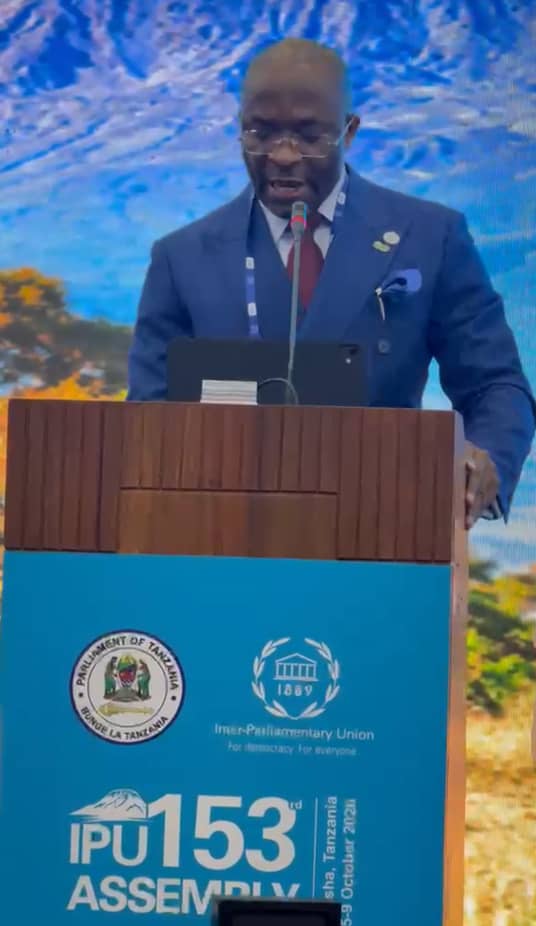
The Deputy Speaker of the House of Representatives, Benjamin Kalu, has proposed structured legislative interventions across the globe as an urgent parliamentary action to address climate-related disasters and strengthen resilience in vulnerable regions.

Speaking in Arusha, Tanzania during a debate on ‘Urgent Parliamentary Action to Address Climate-related Disasters and Strengthen Resilience” at the ongoing one hundred and fifty third Assembly of the Inter-Parliamentary Union, Kalu said the debate must move beyond pledges to practical, bankable legislative actions that deliver for people and economies.

He said the structured global legislative intervention should be built on two pillars of an investor-ready pipeline of priority projects across clean energy, transport, agriculture, resilient infrastructure and circular economy, and a project-preparation and transaction-support platform that helps move viable projects from concept to bankability, financing and implementation.

He therefore tasked lawmakers on legal certainty and public accountability, sound legislation, credible institutions, sub-national innovation and international capital to transform the goals of the Paris Agreement into practical progress.

He highlighted the delays in implementations of agreements, adding that for too long, the international climate dialogue has been defined by ambitious pledges that have not been matched by adequate, accessible and affordable finance for developing countries.

“Across the globe farmers are confronting irregular rainfall and declining yields; coastal communities are facing erosion and rising waters; businesses are losing productive hours to unreliable energy; and cities are struggling with flooding that overwhelms drainage systems and infrastructure.

“Our people are already living with the consequences of extreme weather, flooding, land degradation, food
insecurity and climate-related displacement. Climate finance must
therefore support both emissions reduction and human resilience.

“As legislators we should understand that legislation must not remain a statement of intent. It must become an instrument of delivery. Lawmakers are not just observers of the climate crisis, but as architects of the legal certainty and public accountability required for a resilient, competitive and sustainable economy.

“Today, I propose that this debate should not end as another important conversation. It should become the beginning of a structured legislative intervention across the globe. First, it should support the development of an investor-ready pipeline of priority projects across clean energy, transport, agriculture, resilient infrastructure and the circular economy.

“Second, it should establish a project-preparation and transaction-support
platform that helps move viable projects from concept to bankability, financing and implementation.

“This is how ambition becomes action. This is how policy becomes finance. And this is how finance becomes infrastructure, jobs, resilience
and shared prosperity.

“Distinguished colleagues, we can combine sound legislation, credible institutions, sub-national innovation and international capital to transform the goals of the Paris Agreement into practical progress for the people of Nigeria and other developing countries”, he said

The Deputy Speaker also said that climate action is not an abstract environmental aspiration for Nigeria, but a livelihood and economic issue.

“For Nigeria, climate action is not an abstract environmental aspiration, but about whether a farmer can harvest despite changing rainfall patterns; whether a family can access affordable and reliable electricity, whether a young person can find dignified work in a modern economy, whether our cities can withstand floods, and whether Africa’s largest economy can industrialise without reproducing the environmental vulnerabilities of the past,” he said.

He lamented the delays in implementations of agreements, saying that for too long, the international climate dialogue has been defined by ambitious pledges that have not been matched by adequate, accessible and affordable finance for developing countries.

According to him, Nigeria is not at the Assembly merely to restate needs, but to present an opportunity, noting that the country is inviting investors to co-finance a growing pipeline of commercially viable, climate-resilient projects supported by law, public policy, accountable institutions and a legislature committed to delivery.

The Deputy Speaker recalled that at COP26, Nigeria announced its commitment to achieve net-zero emissions by 2060 through the Nigeria Energy Transition Plan, describing it as a development-centred pathway that seeks not only to reduce emissions, but also to expand energy access, reduce poverty, create jobs and build a more resilient economy.

He said Nigeria’s updated Energy Transition Plan estimates approximately US$500 billion in capital investment above business-as-usual spending required to achieve net zero by 2060.

“This is not simply a financing gap, it is an investment horizon. It is an opportunity to build new markets, modernise infrastructure, create green jobs, unlock innovation and deliver long-term returns,” he said.

The Deputy Speaker also listed priority investment areas to include distributed renewable energy, solar mini-grids, battery storage, clean cooking solutions, electricity transmission and distribution infrastructure, industrial energy efficiency, climate-smart agriculture, irrigation, cold-chain logistics, food processing, electric mobility, mass transit, low-carbon urban transport, waste-to-value systems, methane reduction and green manufacturing.

He also listed Nigeria’s legislative commitments to include strengthening implementation of the Climate Change Act, monitoring climate-related public expenditure, supporting credible carbon-market and green-finance frameworks, promoting reforms that improve investor protection and contract enforcement, ensuring transparent approval processes for green projects, supporting expansion of state-level electricity markets, and convening sustained dialogue among government, investors and communities.

NAFDAC Debunks Viral List of Fake Products, Warns Against Panic and Misinformation

0

By Ferdinand Olise

The National Agency for Food and Drug Administration and Control (NAFDAC) has disowned a viral list circulating on social media which claims to identify several products in the Nigerian market as fake, adulterated or substandard.

In a press statement issued on Wednesday, the Agency categorically stated that the circulating list did not emanate from NAFDAC and should not be regarded as an official regulatory alert.

NAFDAC therefore warned that the unchecked circulation of the list is capable of causing public panic, distorting consumer behaviour, inflicting reputational and commercial damage on legitimate businesses.

The Agency affirmed its responsibility of following due regulatory processes, including investigation, sampling and scientific and laboratory verification before declaring the safety or authenticity of products.

“NAFDAC, as a responsible regulatory authority, does not make sweeping declarations about the safety or authenticity of products without appropriate regulatory processes”, the Agency stated.

“The viral list should be disregarded in its entirety. Members of the public are urged to refrain from sharing or amplifying the unverified information,” NAFDAC said.

The Agency noted that if an unverified list containing numerous legitimate products were mistakenly accepted as its official declaration, the consequences could extend beyond consumer anxiety to affect manufacturers, distributors, retailers and the wider pharmaceutical, food and consumer-products market.

While appreciating the vigilance of Nigerians in reporting suspected counterfeit products, NAFDAC said such reports remain valuable regulatory intelligence but must be subjected to proper investigation before definitive conclusions are reached.

NAFDAC therefore reaffirmed its commitment to its statutory mandate of protecting the health of Nigerians by ensuring that regulated products meet established standards of safety, quality and efficacy, stating that it will continue to take appropriate enforcement action whenever its investigations establish the need for intervention.

The Agency therefore urged members of the public, healthcare professionals, manufacturers and distributors to rely only on its official communication channels for information concerning product alerts, recalls, withdrawals and suspensions.

ECOWAS Swears In Five New Judges, Tasks Them On Fairness

0

By Ferdinand Olise

The Economic Community of West African States ECOWAS, ECOWAS, has sworn in five new Judges of the ECOWAS Court of Justice.

President of the ECOWAS Commission, General Birame Diop, said the Community Court is one the most visible and accessible institutions of ECOWAS, as individuals can approach the Court and seek redress for violations of their rights.

General Diop said the swearing-in is more than a ceremonial exercise, but represents a commitment by the new Judges to citizens of the community and to a common legal order.

“By opening its doors to individuals, the Community has given concrete meaning to the idea of an ECOWAS of the peoples, and no longer just of States. The oath marks the moment when the individual sets aside their personal interests and all external influences to serve only community law,” he said.

According to him, the Court’s jurisprudence, particularly on human rights, was cited beyond West Africa and constituted a source of pride for the region.

He called for stronger cooperation among the ECOWAS Commission, it’s Judicial Council, the Community Court, ECOWAS Parliament and member States. He also urged member States to sustain cooperation with the Court to ensure effective implementation of its decisions and consolidate the rule of law across the community.

Charging the new Judges to strengthen public trust through impartial and credible justice, the
Chairman of the Authority of Heads of States and Government, President Bassirou Faye of Senegal, said the judges assumed office at a critical period when the region is facing political, economic, security and environmental challenges that require firm commitment to the rule of law and collective action.

He also emphasised that the Court has the responsibility to ensure fairness in the application of ECOWAS legal instruments, protect citizens’ rights and strengthen confidence in regional institutions.

Faye therefore urged the new Judges to be mindful of the Oath they had taken to guide their conduct throughout their four-year tenure, particularly when deciding cases brought before the Court.

He also cautioned them not to yield to pressure from any source while delivering justice, but constantly keep in mind, especially at the moment of decision-making, the foundation of their Oath and deliver justice fairly.

According to Faye, the credibility of the Court will continue to depend on the quality of its decisions and the level of trust they generated among citizens. He therefore urged the Judges to consolidate the Court’s achievements while contributing to efforts to modernise its operations and make community justice more effective, accessible and better accepted by the public.

The five judges are Mr Désiré Henri Aihou of Benin; Hon. Justice Awa Bah of The Gambia, Mrs Charlyne M. Brumskine of Liberia, Mrs Henrietta Uzoamaka Didigu of Nigeria, and Dr Yaouza Ouro-Sama of Togo.

Their appointment was made pursuant to the December 2025 Supplementary Act SA.1/12/25 relating to the Community Court of Justice.

Under Article 3 of the Act, the Court is to comprise five independent judges selected from among nationals of member States who are persons of high moral character and possess the qualifications required for appointment to the Supreme Court or an equivalent judicial office.

Faye also commended the outgoing judges for their service and contributions to the development of community law and regional integration.

“Through their stewardship and commitment, they have brought community law to life and contributed to building an ECOWAS that is mindful of the principles of justice, respectful of individual rights, and resolutely oriented toward integration”, he added.

Reps Issue 7-day Ultimatum to HydroCarbon Pollution Remediation Project Over #400bn Audit Query

0

By Ferdinand Olise

The House of Representative has issued a 7-day ultimatum to the Programme Coordinator of the HydroCarbon Pollution Remediation Project, HyPREP, to appear before the Public Account Committee of the House for explanation over allegations of mismanagement of over #400billion in the 2021 and 2024 Audit report from the Office of the Auditor General of the Federation.

Speaking at the public hearing where the ultimatum followed the adoption of a resolution on the matter, Chairman of the Committee Rep. Bamidele Salam, said the ultimatum serves as the final warning after HyPREP failed to appear before the Committee despite four different invitations extended to them.

According to him, failure to appear before the Committee by Monday 12th October, 2026, the House will be compelled to invoke its power and compel the Accounting officer of the agency to appear before the Committee.

The Committee also extended the same invitation to the Chairman Board of Trustees of the Ogoni Remediation Trust Fund.

According to the Audited Reports presented before the Committee HyPREP failed to submit its audited account to the Office of the Auditor General from 2017 to 2021.

Other queries include: Irregular award of Contracts and non-deduction of Statutory Taxes of $2.1million; Payment of #986million Consultancy Without Execution; Irregular Payment of #315million for Training; Payment of #7.2billion for poorly executed contracts; payment of #268m without prepayment audit; Non-deduction of #32million statutory taxes; Engagement of External Solicitors with #31.8million without Attorney General Approval; Crude oil recovery from remediation site without being documented; Adoption of progressive salary scale for contract staff; Extra-budgetary expenditure of #931million.

Others are: Duplication of Services through award of Contracts worth #182million; Duplication of function monitoring and evaluation worth #507million; Irregular Payment of #43million for advertisement without evidence of performance; Irregular stay in office by an officer after the expiration of the secondment period.

According to the 2024 Audit Report presented before the Committee HyPREP made an Unverified #1.5billion payment of compensation.

Also queried are: Non-retirement of #14million of cash advances; Irregular payment of #229.1million; Payment of #260million for training programme without evidence of execution; Denial of access to #27.5billion project documents and records.

Rep. Salam added that the HYPREP and Ogoni Trust Fund will also speak to issues surrounding the 1 billion dollars contributed for the claen up of the Ogoni land after the pull out of the Shell Petroleum Development Company of which the Renaissance Energy Ltd claimed to have made a contribution of over 900 million dollars to the fund.

NAFDAC Seeks International Support For Local Vaccine Manufacturing

0

By Ferdinand Olise

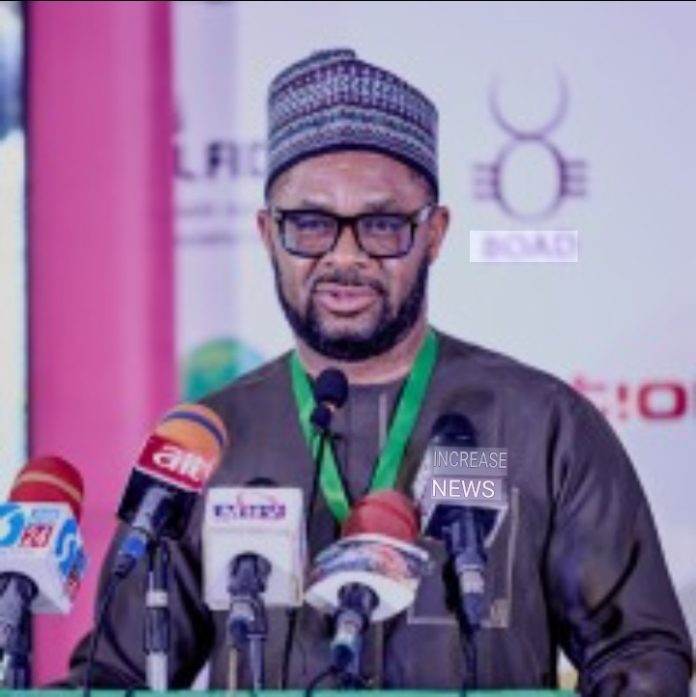
The Director General of the National Agency for Food and Drug Administration and Control (NAFDAC), Prof. Mojisola Adeyeye, has solicited the support of international partners for the establishment of vaccine manufacturing facilities in Nigeria.

Prof. Adeyeye made the call in Lagos at the 8th Nigeria Pharma Manufacturers’ Expo, jointly organised by the Pharmaceutical Manufacturing Group of the Manufacturers Association of Nigeria (PMG-MAN) and PGE Expo Pvt Limited.

She said the agency has met eight of the nine requirements needed to attain full benchmarking for medicines and vaccines, but is being held back by the absence of local vaccine manufacturing.

According to her, NAFDAC is yet to achieve Lot Release for vaccines, the final requirement for attaining World Health Organization (WHO) Maturity Level 4.

“We want to call on our international partners that have been of tremendous help. Without them we wouldn’t have been here. I want to challenge them to contribute to fill and finish modular vaccine manufacturing so that we can get our Vaccine Lot Release,” she said.

The NAFDAC boss noted that Nigeria has the capacity to attain the certification, adding that the cost of achieving modular vaccine production is not prohibitive.

“To get Lot Release – Maturity Level 4, we have figured it out. It’s not going to cost too much. We will share that with you. Because we cannot afford to go back to where we used to be,” she said.

Recalling that NAFDAC previously manufactured vaccines, Prof. Adeyeye said it was time for the country to return to local vaccine production.

She commended President Bola Ahmed Tinubu for the Executive Order 2024, which she described as a game-changer for local pharmaceutical manufacturers operating under harsh economic conditions.

“I understand the stress our manufacturers are going through. Our manufacturers are patriots because they could have given up,” she said, noting that the Order had brought long-sought incentives to the industry.

She said the Coordinating Minister of Health and Social Welfare and the Minister of State for Health had also supported incentives for local manufacturers, leading to the initiative to unlock the pharmaceutical value chain.

Prof. Adeyeye disclosed that the agency’s Good Manufacturing Practice (GMP) Roadmap, which involved an eight-month audit of over 165 companies funded by USAID and executed by the United States Pharmacopeia (USP), has improved quality compliance across the industry.

The initiative, she said, resulted in a 70 percent reduction in importation under the ‘5 plus 5’ and Ceiling initiatives between 2021 and 2025, as local manufacturers scaled up production.

She attributed NAFDAC’s international recognition to continuous staff capacity building and quality improvements. The agency’s laboratory in Yaba was WHO pre-qualified in September 2023, and NAFDAC became a member of the International Medical Device Forum in 2023.

She added that NAFDAC became the first agency in Sub-Saharan Africa to be successfully re-benchmarked for WHO Maturity Level 3 at first attempt.

Earlier, the Chairman of PMG-MAN and Managing Director/CEO of Daily Need Limited, Mr. Oluwatosin Jolayemi, described the Expo as the only complete pharma manufacturing platform in Central and West Africa, bringing together manufacturers, regulators, investors and development partners.

While commending Prof. Adeyeye for driving GMP compliance and international best practices, he called for an extension of the presidential executive order beyond its March 2027 expiration by another two years.

“The journey towards medicine security and pharma sovereignty is not a short-term intervention. It requires policy consistency, investment, capability development and a predictable operating environment,” he said.

The two-day expo attracted 132 companies from the United States, China, Argentina, Egypt, India, Rwanda, Austria, UAE, France, Germany, Indonesia and Nigeria.

ActionAid Urges Tinubu To Set Clear Targets To Defeat Poverty

0

By Ferdinand Olise

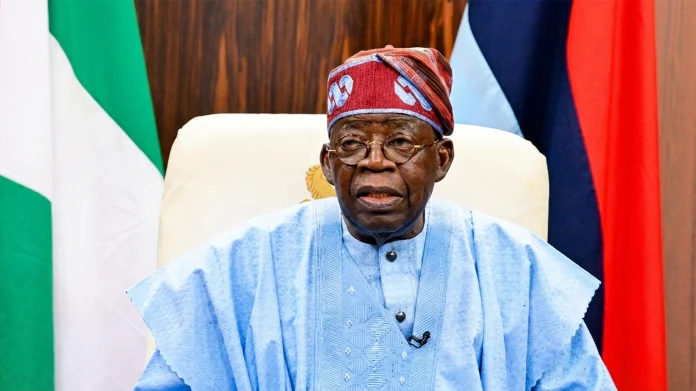
ActionAid Nigeria has welcomed President Bola Tinubu’s 66th Independence Day declaration of backing the promise to defeat poverty with clear, measurable targets.

In his Independence Day address, President Tinubu declared: “Our objective is not to manage poverty more efficiently. We will defeat it.”

ActionAid, in a statement signed by its Country Director, Dr Andrew Mamedu, described the commitment as bold, but said Nigerians need to know how success will be measured.

“The President has made a bold commitment that Nigeria will defeat poverty. Nigerians should now be able to hold the government to that commitment through clear, measurable results,” Dr Mamedu said.

The organization cited World Bank data showing that an estimated 50.8 percent of Nigerians, about 123 million people, lived in extreme poverty in 2025, while 69.6 percent lived below the $4.20-a-day poverty line for lower-middle-income countries.

Action Aid therefore stated that government should be able to tell Nigerians, year by year, how many people have moved out of poverty.

“Poverty cannot be declared defeated because economic indicators are improving. It will be defeated when people can feel the difference at home,” the statement noted.

ActionAid acknowledged positive macroeconomic signals, including NBS data showing real GDP grew by 4.43 percent year-on-year in Q2 2026, up from 3.89 percent in Q1, and headline inflation moderating to 15.39 percent in August 2026, though food inflation remained high at 19.57 percent.

The organisation urged that growth must be inclusive.

“GDP can grow while families remain poor. Nigeria must ensure that economic growth translates into shared prosperity,” the group said, noting that the World Bank itself observed that household incomes have not fully recovered.

The group also referenced the President’s vision of a Nigeria where “the farmer can cultivate his land safely, produce more at lower cost, and earn a decent return for his labour,” saying this should become a measurable commitment.

According to FAO’s latest assessment, nearly 36.3 million people faced severe acute food insecurity during the June-August 2026 lean season, including about 2.1 million at emergency levels, driven by conflict and economic pressures.

ActionAid therefore called for investments in irrigation, mechanisation, seeds, storage and transport to deliberately reach small holder farmers, particularly women, and for stronger support for climate-resilient and agro-ecological practices.

The organization further stated that insecurity must be measured beyond military operations.

“Security has to be measured not only by operations conducted or criminals neutralised, but by outcomes: Are attacks declining? Are farmers returning safely to their fields? Can displaced families return home? Are children attending school without fear?” the statement said.

ActionAid urged the Federal Government to translate the Independence Day commitments into time-bound, publicly measurable targets for poverty reduction, household incomes, food security, employment, social protection and community safety.

“If this is truly the beginning of an age of prosperity, then prosperity must have numbers, targets and timelines. We must be able to measure how many Nigerians are leaving poverty behind, not simply how much the economy is growing,” Dr Mamedu added.

Super Eagles Begin Training Ahead of Russia Friendly

0

By Don Ferdy

The Super Eagles have had their first training session in Nizhny Novgorod as they prepare for Tuesday’s international friendly match against Russia’s senior men national team.

The team will have two more training sessions on Sunday and Monday before the encounter at the Nizhny Novgorod Stadium on Tuesday evening.

Players and officials travelled aboard Turkish Airline and Ethiopian Airline flights, through Istanbul and Addis Ababa respectively, before arriving in Moscow and then flown to Nizhny Novgorod.

On 6th June last year, Russia and Nigeria played to a 1-1 draw at Moscow’s Luzhniki Stadium, with the Russians going in front through an own goal by defender Semi Ajayi, before Tolu Arokodare levelled for the Super Eagles.

Nigeria’s ambition to host the 2034 Commonwealth Games was at the Centre of discussions between the National Sports Commission (NSC) and the Commonwealth Sport leadership in Abuja.

The National Sports Commission Chairman Shehu Dikko and Director-General Bukola Olopade, alongside Nigeria Olympic Committee president, Habu Gumel, hosted the Commonwealth Sport President Donal Rukare and Director of Sport, Darren Hall, at the National Sports news Commission headquarters in Abuja.

The discussions provided an opportunity to review Nigeria’s hosting proposition and assess progress towards a potential 2034 bid.

The key part of the engagement is a presentation by the Commonwealth Sport team on its detailed review of Nigeria’s 2030 Commonwealth Games bid.

It is expected to provide a foundation for developing the country’s proposed 2034 bid, in line with the Commonwealth Sport hosting strategy.

Former Germany forward, Thomas Muller has picked the top two candidates to win the 2026 Ballon d’Or.

Muller has surprisingly gone for the duo of Kylian Mbappe (Real Madrid) and Michael Olise (Bayern Munich).

In his monthly email newsletter, the 37-year-old claimed these are the players that have impressed him the most.

Mbappe and Olise have been included in the 30-man nominee list for the 2026 Ballon d’Or, which will be announced on October 26.

President Tinubu Approves The Shift Of 17 Brigade To 1 Division To Boost Operational Response In North-West

0

By Ifeanyi Wilson

In line with the approval of the President Bola Tinubu, the 17 Brigade, has been formally transferred from the 8 Division back to the premier 1 Division.

According to a statement by the Acting Deputy Director, Army Public Relations, 1 Division Nigerian Army and Sector 1 Operation FANSAN YAMMA, Lieutenant Colonel Ajemasu Jingina, the transition which took place during a series of high-profile familiarisation visits aligns with the strategic directives of the Chief of Army Staff, Lieutenant General Waidi Shaibu.

In the statement, the re-organization was part of the Nigerian Army’s ongoing expansion from an 8 division to a 12 division structure. Excising the 17 Brigade from the 8 Division and restoring it to the 1 Division, aims to optimize command architecture, boost operational fluidity, and sharpen the military’s response to evolving security threats across the North West.

Meanwhile, the General Officer Commanding, 1 Division and Commander of Sector 1 Joint Task Force (North West) Operation FANSAN YANMA, Major General Abubakar Wase, visited the newly established 83 Battalion in Malumfashi.

The Commanding Officer, Lieutenant Colonel Kash im Odi, briefed the General Officer Commanding on the unit’s operational achievements, current activities, and tactical responsibilities within its Area of Responsibility. General Wase later inspected the construction progress at the battalion’s permanent site in Lambun Kyauta.

Recognizing the vital role of local communities play in counter-insurgency operations, Major General Wase paid a courtesy visit to the District Head of Malumfashi and Galadima Katsina, Retired Justice Saddiq Mahuta at his palace in Malumfashi. The meeting focused on strengthening civil-military cooperation and leveraging traditional oversight to bolster regional intelligence and security.