
By Chiamaka Livingstone
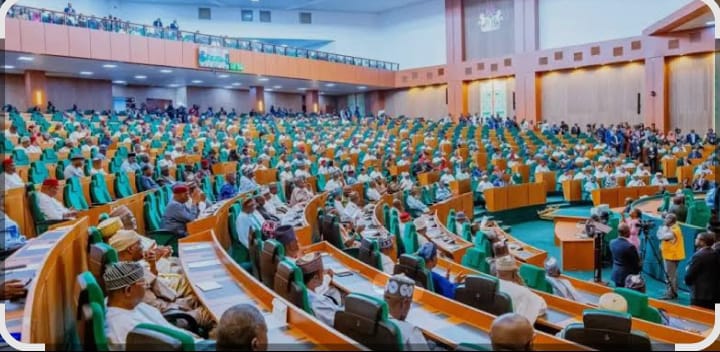
The National Assembly has re-affirmed its commitment to deepen the digitisation of parliamentary records, translate Nigerian laws into Hausa, Yoruba, Igbo and other local languages, and expand public access to legislative information.
This is as part of efforts to preserve the country’s democratic memory.
The Executive Secretary of the National Assembly Library Trust Fund, Mr. Henry Nwawuba, stated this in Abuja while declaring open the 2026 National Assembly Library Week, with the theme, “Parliamentary Memory: Connecting Records, Legislation and the People.”
Mr. Nwawuba said the three-day programme was designed as an annual platform to promote legislative research, access to information and effective utilisation of the resources of the National Assembly Library.
He said the library serves as the knowledge infrastructure of the legislature and a repository of parliamentary records, legislative information, research materials and the institutional memory of Nigeria’s democratic journey.
According to him, the library is more than a collection of books, but is working to ensure that lawmakers, legislative aides, researchers and other stakeholders have access to authoritative parliamentary records, including Order Papers, Votes and Proceedings, committee reports, Acts passed by the National Assembly, gazetted laws and oversight manuals.
Mr. Nwawuba further stated that the Trust Fund is investing in electronic repositories and upgrading its E-Library, while developing a National Assembly Library mobile application to make legislative information more accessible to lawmakers, staff, researchers and members of the public.
He also announced plans for a Bills Tracker, which would enable users to follow bills and monitor their progress through the legislative process.
According to him, the library is developing infographics, audiovisual materials and video explainers to simplify Bills, Acts and legislative procedures for Nigerians. He said the planned translation of laws into Hausa, Yoruba, Igbo and other local languages would broaden access to legislative information and enable more citizens to understand laws that affect their daily lives.
Nwawuba said the library would also organise public policy dialogues to deepen citizens’ participation in public hearings and create more opportunities for interaction among legislators, citizens, researchers and other stakeholders.