By Ferdinand Olise
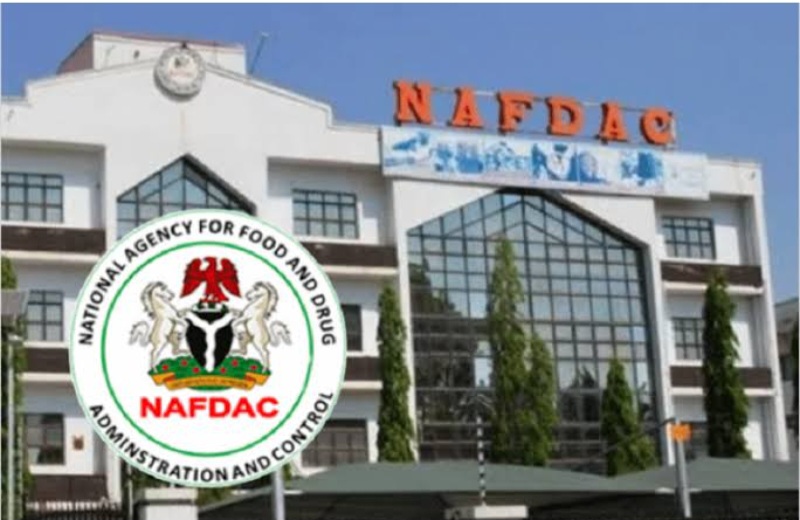
The National Agency for Food and Drug Administration and Control (NAFDAC) has disowned a viral list circulating on social media which claims to identify several products in the Nigerian market as fake, adulterated or substandard.
In a press statement issued on Wednesday, the Agency categorically stated that the circulating list did not emanate from NAFDAC and should not be regarded as an official regulatory alert.
NAFDAC therefore warned that the unchecked circulation of the list is capable of causing public panic, distorting consumer behaviour, inflicting reputational and commercial damage on legitimate businesses.
The Agency affirmed its responsibility of following due regulatory processes, including investigation, sampling and scientific and laboratory verification before declaring the safety or authenticity of products.
“NAFDAC, as a responsible regulatory authority, does not make sweeping declarations about the safety or authenticity of products without appropriate regulatory processes”, the Agency stated.
“The viral list should be disregarded in its entirety. Members of the public are urged to refrain from sharing or amplifying the unverified information,” NAFDAC said.
The Agency noted that if an unverified list containing numerous legitimate products were mistakenly accepted as its official declaration, the consequences could extend beyond consumer anxiety to affect manufacturers, distributors, retailers and the wider pharmaceutical, food and consumer-products market.
While appreciating the vigilance of Nigerians in reporting suspected counterfeit products, NAFDAC said such reports remain valuable regulatory intelligence but must be subjected to proper investigation before definitive conclusions are reached.
NAFDAC therefore reaffirmed its commitment to its statutory mandate of protecting the health of Nigerians by ensuring that regulated products meet established standards of safety, quality and efficacy, stating that it will continue to take appropriate enforcement action whenever its investigations establish the need for intervention.
The Agency therefore urged members of the public, healthcare professionals, manufacturers and distributors to rely only on its official communication channels for information concerning product alerts, recalls, withdrawals and suspensions.