By Ferdinand Olise
A member of the ECOWAS Parliament from Liberia, Ms Moima Briggs-Mensah, has called for concerted efforts for reformsthat will strengthen the powers of the regional legislature.
According to Ms Briggs-Mensah, this will help the regional legislature to play a more decisive role in shaping policies across West Africa.
Speaking during an interview on the sidelines of the 2026 Second Extraordinary Session and Second Seminar of the ECOWAS Parliament in Accra, Ghana, Ms Briggs-Mensah said the Parliament’s advisory status had constrained its ability to influence decisions on critical issues affecting citizens, including climate change, environmental degradation, migration and regional trade.
She urged elected representatives to ensure that decisions reached by the Parliament are implemented.
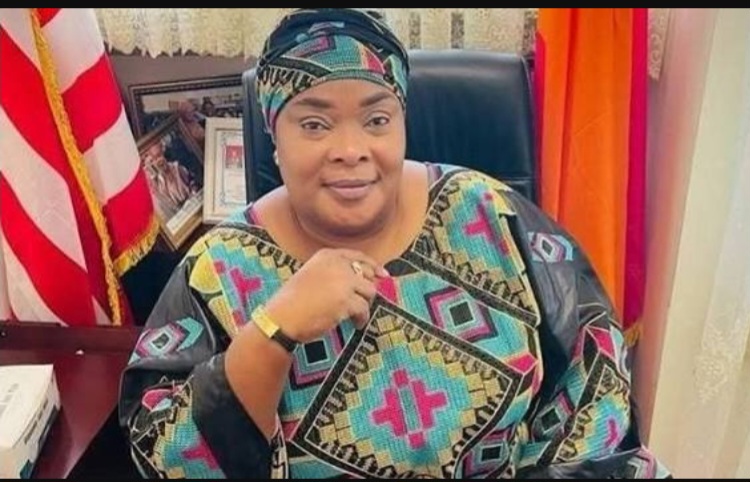
“I don’t think you can have parliament members that are elected by the country and their constituents come and sit there and just be advisable to a few people that are just appointed by one president,” she said.
She also urged ECOWAS to review the legal and institutional framework of the Parliament and give it a stronger legislative and financial authority.
According to her, lawmakers should be able to determine and approve the Parliament’s budget rather than merely make recommendations to other regional institutions.
“We should have outstanding rules that ECOWAS Parliament, that we can adopt issues that we can even pass the budget. We also can approve the budget,” she said.
She further stated that, strengthening the Parliament would enhance accountability and enable lawmakers to take greater ownership of policies adopted at the regional level.
While advocating for common ECOWAS policies to address climate change, land degradation and the growing impact of climate-related displacement on communities, she also said that the parliamentary seminar provided an opportunity to examine challenges confronting the region which needs serious implementation process.
She therefore called for regional funding mechanisms to assist countries and communities affected by floods, environmental degradation and other climate-related disasters.
She further stated that women and children are particularly exposed to the consequences of climate-related emergencies, especially where flooding disrupts farming, transportation and cross-border trade.
She explained that women traders could lose their goods when flooding prevents them from reaching markets or crossing borders.
She also urged regional authorities to make greater use of lawmakers’ grassroots knowledge, particularly on issues affecting women involved in cross-border commerce.